Your credit score is one of the most important numbers tied to your financial life but for many people, it’s also one of the most confusing. You may have heard that your credit score affects loans, interest rates, and approvals, but what does that really mean? And more importantly, how can you improve it?
At Calhoun Liberty Credit Union, we help members across Florida better understand their finances so they can make confident decisions, especially when it comes to borrowing.
What Is a Credit Score?
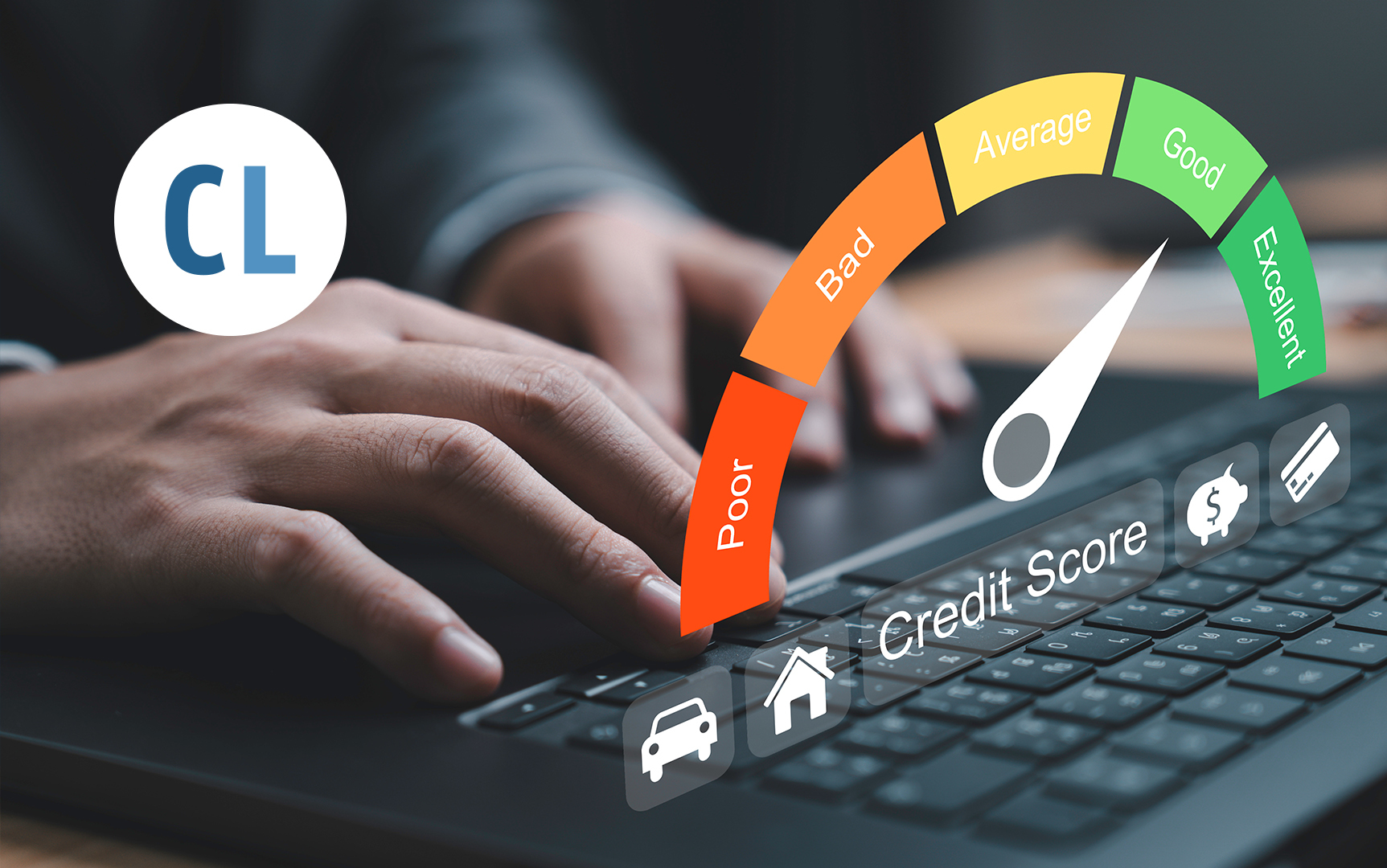
A credit score is a number that represents how likely you are to repay borrowed money. Lenders use this score to evaluate risk when reviewing applications for loans, credit cards, and other financial products.
Credit scores typically range from 300 to 850.
In general:
- Higher scores indicate stronger credit
- Lower scores may signal higher risk to lenders
Your score is based on your credit history, as in how you’ve handled borrowing and repayment over time.
Why Your Credit Score Matters
Your credit score plays a major role in your financial opportunities. It can affect:
- Loan approvals
- Interest rates
- Credit limits
- Rental applications
- Even some job screenings
For members across Calhoun County, Liberty County, Leon County, and many counties throughout Florida, a stronger credit score can mean better options and more financial flexibility.
What Impacts Your Credit Score?
Understanding what influences your credit score is the first step toward improving it.
1. Payment History
Your history of making payments on time is one of the biggest factors. Late or missed payments can lower your score, while consistent, on-time payments help build it.
2. Credit Utilization
This refers to how much of your available credit you’re using.
For example, if you have a credit card limit of $1,000 and a balance of $800, your utilization is high which can negatively impact your score.
Lower balances are generally better.
3. Length of Credit History
The longer your credit history, the more information lenders have to evaluate. Keeping older accounts open (when appropriate) can help strengthen your score over time.
4. Types of Credit
Having a mix of credit, such as credit cards and loans, can contribute positively when managed responsibly.
5. New Credit Activity
Opening multiple accounts in a short period of time can temporarily lower your score, as it may signal increased risk.
How to Improve Your Credit Score
Improving your credit score doesn’t happen overnight but small, consistent actions can make a big difference.
Here are a few practical steps:
- Pay all bills on time
- Work on keeping credit card balances low
- Avoid opening too many accounts at once
- Review your credit report regularly
- Focus on steady, responsible usage by maintaining a budget
Additionally, it can be a great way to build your credit by borrowing a small amount of money and paying it back over a set period, which shows that you will do what you say. Don’t pay it off early! Make each payment on time each month
Even gradual improvements can open the door to better financial opportunities.
Common Credit Score Myths
There’s a lot of misinformation about credit scores. Let’s clear up a few common misconceptions:
Checking your own credit will hurt your score. False, checking your own score is considered a “soft inquiry” and does not negatively impact your credit.
You need to carry a balance to build credit. False, paying off your balance in full can actually be more beneficial.
Closing old accounts always helps. Not necessarily, closing accounts can sometimes shorten your credit history and impact your score.
Build Confidence in Your Financial Future
Your credit score isn’t just a number, it’s a tool that can help you move forward financially. Whether you’re planning to apply for a loan, improve your financial habits, or simply understand your options better, knowing how your credit works puts you in control.
At Calhoun Liberty Credit Union, we’re here to help members across Florida take the next step with confidence. Our team offers guidance, resources, and lending solutions designed around your needs.
Learn more about your options and take the next step toward stronger financial health.
Serving Communities Across Florida
Calhoun Liberty Credit Union proudly serves members throughout:
Alachua, Baker, Bay, Bradford, Brevard, Broward, Calhoun, Charlotte, Citrus, Clay, Collier, Columbia, Miami-Dade, DeSoto, Dixie, Duval, Escambia, Flagler, Gadsden, Gilchrist, Glades, Gulf, Hamilton, Hardee, Hendry, Hernando, Highlands, Hillsborough, Holmes, Indian River, Jackson, Jefferson, Lafayette, Lake, Lee, Leon, Levy, Liberty, Madison, Manatee, Marion, Monroe, Nassau, Okaloosa, Okeechobee, Osceola, Pasco, Polk, Putnam, Santa Rosa, Sarasota, Sumter, Suwannee, Taylor, Union, Volusia, Wakulla, Walton, and Washington Counties.
No matter where you’re located, we’re here to support your financial journey with convenient tools and personalized service.
FAQ’s
What is a good credit score? A good credit score typically falls in the mid-to-high 600s or above, though higher scores often qualify for better rates and terms.
How long does it take to improve a credit score?
It depends on your situation, but consistent positive habits can start improving your score within a few months.
Does checking my credit score lower it?
No. Checking your own credit score is considered a soft inquiry and does not impact your score.
What is the fastest way to improve credit?
Paying bills on time and reducing credit card balances are two of the most effective ways to improve your score.