Your first few years of financial independence come with a lot of firsts: your first full-time paycheck, first credit card, first apartment, first car payment, and maybe even your first serious attempt at saving money.
Unfortunately, nobody hands you an instruction manual.
It’s easy to make money mistakes when you’re just getting started, and some seemingly small habits can become expensive over time. The good news is that you don’t have to have everything figured out today. Understanding a few of the most common financial mistakes young adults make can help you build better habits now and create a stronger financial foundation for the future.
At Calhoun Liberty Credit Union, we believe financial confidence starts with understanding your options. Here are some common money mistakes to watch for and practical ways to avoid them.

1. Spending Without a Budget
A budget doesn’t mean you can’t spend money on things you enjoy. It simply helps you understand where your money is going before it disappears.
Without some type of spending plan, it’s easy to underestimate how much you’re spending on things like:
- Dining out
- Subscriptions
- Entertainment
- Shopping
- Transportation
- Everyday convenience purchases
Start by looking at how much money comes in each month and comparing it with your fixed expenses and typical spending.
You don’t need an elaborate spreadsheet. Even regularly reviewing your transactions through online or mobile banking can give you a much clearer picture of where your money is going.

2. Treating Your Credit Card Like Extra Income
Getting your first credit card can be exciting. It can also be one of the easiest ways to get into financial trouble.
Your available credit isn’t extra money. Every purchase eventually has to be repaid, and carrying a balance can mean paying interest on what you’ve spent.
A few good credit card habits include:
- Spending only what you can reasonably repay
- Making payments on time every month
- Keeping balances manageable
- Paying more than the minimum when possible
- Monitoring your account regularly
Credit can be a useful financial tool when managed responsibly. The goal is to use it strategically rather than depending on it to cover everyday expenses you can’t afford.

3. Waiting to Start Saving Because You “Don’t Make Enough”
This is one of the biggest traps young adults can fall into.
It’s easy to tell yourself you’ll start saving when you get a raise, pay off your car, move into a better job, or have fewer expenses. But developing the habit of saving can be just as important as the amount you’re able to save.
If $100 per paycheck isn’t realistic, start with $20. If $20 is difficult, start with $10. The point is to begin.
Small, consistent deposits can build over time, and increasing the amount later becomes much easier once saving is already part of your routine.
4. Not Having Any Emergency Savings
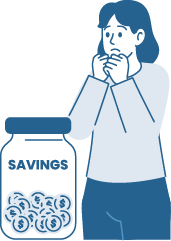
Your car doesn’t care that payday isn’t until Friday. Neither does a broken phone, unexpected medical expense, or emergency trip home.
Without emergency savings, an unexpected $500 expense can quickly turn into credit card or loan debt.
You don’t need several months of expenses saved immediately. Start with a smaller goal, such as $500 or $1,000, and build from there.
Keeping emergency money in a separate savings account can also make it less tempting to spend on everyday purchases.

5. Ignoring Your Credit Score Until You Need It
A lot of people don’t think seriously about their credit until they’re ready to finance a car, rent an apartment, or apply for a loan. That’s not the ideal time to discover there’s a problem.
Your credit history can affect your ability to borrow money and the terms you’re offered. Building healthy credit habits early can make future financial decisions easier.
Keep in mind these habits to build good credit:
- Pay bills on time
- Keep credit card balances under control
- Avoid unnecessary applications for new credit (Pro tip: Every time your credit is pulled, it looks like you are requesting a new card or applying for additional loans. This, in turn, makes your credit score go lower!
- Review your credit reports for errors
- Monitor your credit over time
You don’t need a perfect credit score. You do want to understand what’s affecting yours before you need to use it.
6. Financing Based Only on the Monthly Payment
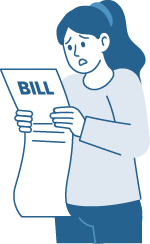
Whether you’re shopping for a vehicle, furniture, electronics, or another large purchase, it’s easy to focus on one question: “Can I afford the monthly payment?”
But a low monthly payment doesn’t necessarily mean you’re getting a good deal.
A longer repayment period may lower the monthly payment while increasing the total amount of interest you pay. Before borrowing, look at the bigger picture:
- How much are you borrowing?
- What’s the interest rate?
- How long will you be making payments?
- What will you pay in total?
- Does the payment comfortably fit your budget?
The goal isn’t simply to qualify for financing. It’s to choose financing that makes sense for your overall financial situation.

7. Increasing Your Spending Every Time Your Income Goes Up
You get a raise, so you upgrade your car. Then you move into a more expensive apartment. Then a few new subscriptions creep in. Before long, you’re earning more money but don’t actually feel like you have any more of it.
This is sometimes called lifestyle inflation, and it can make building wealth difficult even as your income grows.
When you receive a raise or start earning more, consider increasing your savings before increasing your spending. You can still enjoy some of your additional income while putting part of it toward:
- Emergency savings
- Paying down debt
- A future car or home
- Retirement
- Other long-term goals like additional schooling or saving for your future children

8. Not Planning for Expenses You Know Are Coming
Not every large expense is an emergency. Car insurance renewals, holiday shopping, vacations, vehicle registration, school expenses, and annual subscriptions are often predictable.
Instead of scrambling when they’re due, divide the expected cost by the number of months until you’ll need the money and save a little at a time.
If you know you’ll need $600 six months from now, saving $100 per month turns a stressful $600 bill into a planned expense. This is a simple habit that can completely change how larger expenses feel.

9. Comparing Your Finances to Everyone Else’s
Social media makes it incredibly easy to see someone’s new car, vacation, apartment, or shopping haul. What you can’t see is their bank account.
You don’t know whether someone saved for a purchase, financed it, inherited money, or put the entire thing on a credit card. Building financial stability sometimes means saying no to things you technically could buy but you have other priorities.
Your financial goals should be based on your income, expenses, priorities, and future, not someone else’s highlight reel.

What Should Young Adults Prioritize Financially?
If you’re wondering where to start, keep it simple. Focus on building a few strong habits:
- Know where your money goes.
- Pay bills on time.
- Build a small emergency fund.
- Use credit carefully.
- Save consistently, even if the amount is small.
- Understand the terms before borrowing money.
- Increase your savings as your income grows.
You don’t have to accomplish everything at once. You just need to build healthy financial habits. Financial independence is built through hundreds of small decisions made over time.
Start Building Better Money Habits Today
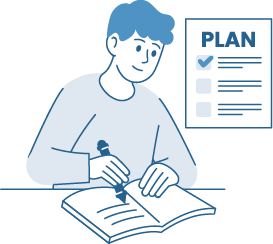
You don’t need a perfect budget, a huge savings account, or an 800 credit score to be financially successful. You need a starting point.
Learning how to budget, save, use credit responsibly, and borrow carefully can help you avoid expensive mistakes and give you more options as your financial life grows.
At Calhoun Liberty Credit Union, we’re proud to help members throughout Florida manage everyday finances and plan for what’s ahead with savings and checking options, lending services, and convenient digital banking tools.
Whether you’re opening your first account, building savings, establishing credit, or preparing for your next major financial milestone, developing good habits today can make a meaningful difference tomorrow.